
Move Like a Champion: Where Mechanics Meet Mind
External Focus Wins the Sprint Start
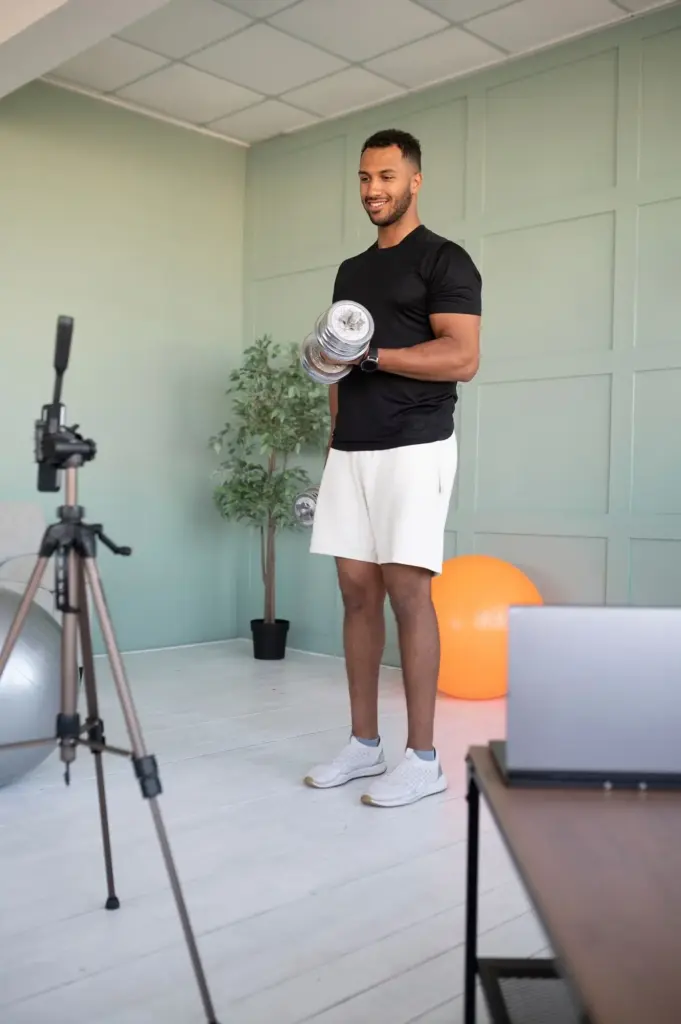
Coaches often see athletes overthink limbs instead of directing energy into the track. Shifting to an external cue—pushing the ground away like a heavy sled—can reduce hesitation and clean up posture. Video feedback plus a simple mantra anchors attention, while breath sets the rhythm. Tell us which external cue, image, or phrase helps you explode forward without tightening up.
Joint Angles, Confidence, and Consistency
Optimal joint angles at ankle, knee, and hip are only useful when athletes trust them. Confidence stabilizes timing, letting elastic tissues store and release energy predictably. Pair mirrorless video with short, clear checkpoints—shin angle, pelvis orientation, rib stack—and then switch to feel, not micromanagement. Celebrate consistent reps, not perfect ones, and comment on which checkpoint most improved your stride rhythm.
Breath, Bracing, and Ground Reaction
Breathing shapes bracing, and bracing shapes how force meets the ground. A calm pre-rep inhale, brief hold, and crisp exhale builds stiffness without rigid tension. Layer this with cueing the foot to punch the floor and rebound tall. Journaling perceived effort against rep quality helps athletes sense the sweet spot. Share your favorite breathing pattern for powerful yet relaxed efforts.
Designing Practice That Sticks
Performing Under Pressure
Screen What Matters, Then Coach It
Graded Exposure Meets Gait Repatterning
Confidence Is a Training Variable
Measuring and Making Sense
Small Data, Big Decisions
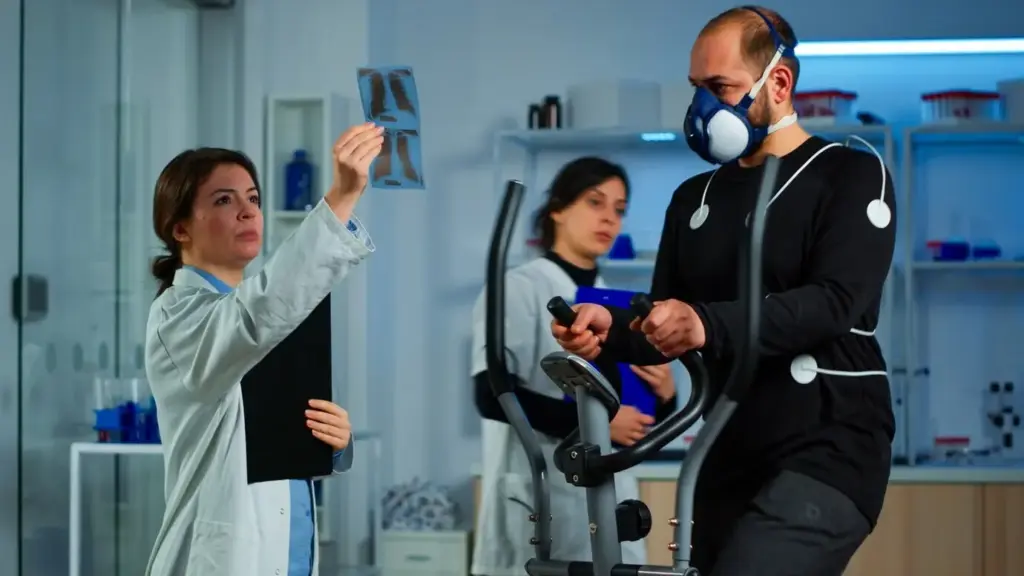
You don’t need lab gear to learn. A smartphone timer, split marks, and a notebook can reveal whether a cue or drill truly helps. Track two variables at most, and keep notes about context—weather, fatigue, teammates. Patterns beat hunches. After two weeks, review and choose one change to keep. Tell us which tiny metric mattered most for your movement quality.
Video as a Bridge Between Feel and Real
Short clips confirm whether the body did what the mind intended. Film from two angles, mark a single checkpoint, and compare across sessions. Use slow motion sparingly to avoid nitpicking. Immediately follow analysis with an external cue and a fresh rep to solidify learning. Share a before–after insight you discovered that changed your cueing for the better.
Closing the Loop With Reflection
A two-minute debrief cements gains: What went well, what changed, and what to try next. Note one physical cue, one mental cue, and an outcome measure. Keep it conversational if you coach a group. Reflection improves self-awareness, which stabilizes technique under stress. Post your latest debrief highlights and what small adjustment you’ll test in the next practice block.
Cues That Point Outside the Body
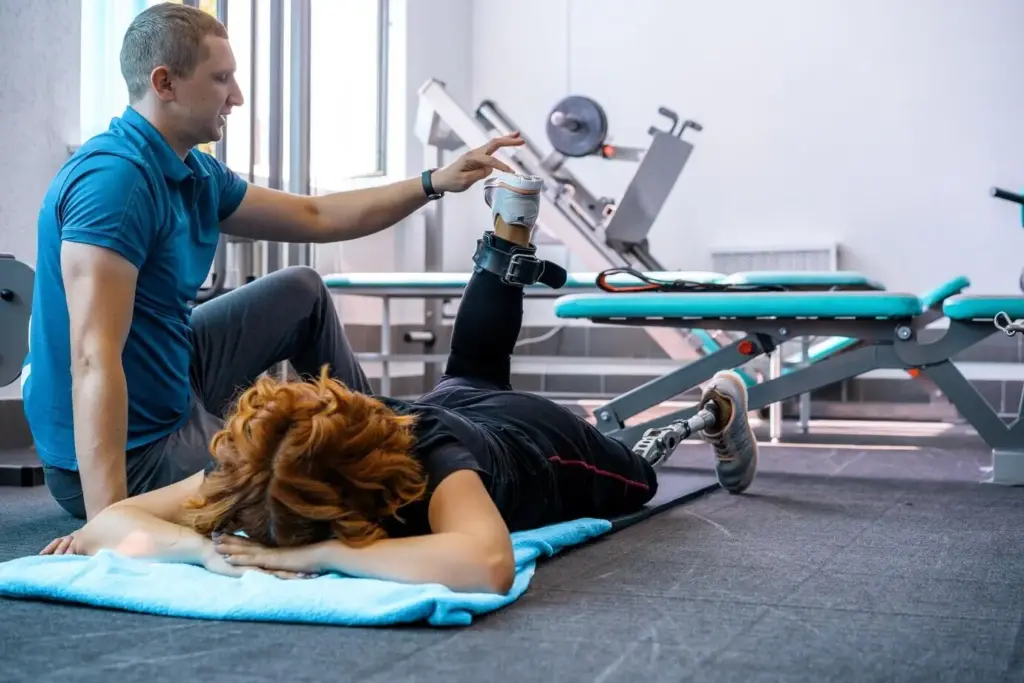
Swap internal micromanagement for vivid targets: sweep the ground back, slice the air, send the hips toward the horizon. The body self-organizes when the mind picks a destination. Test one phrase for a week and judge by film, not feelings alone. Share the most surprising external cue that delivered cleaner lines and smoother rhythm without extra effort or tension.
Build Belonging to Build Better Movement
Belonging lowers defensive tension and frees coordination. Start sessions with quick wins, pair partners thoughtfully, and celebrate curiosity. Invite athlete input on drill choices and recovery rituals to boost ownership. Psychological safety encourages honest feedback, speeding skill acquisition. Tell us one culture habit—music, shared language, or post-practice reflection—that made movements sharper because people felt seen and supported.
Make Curiosity the Standard
Curious athletes adapt faster. Host micro-experiments: change a cue, tweak a drill, shift a target, then measure what happens. Curiosity reframes mistakes as data, sustaining motivation during plateaus. Document experiments so discoveries persist beyond a good day. Comment with one small experiment you’ll run this week and the single metric you’ll watch to judge its value clearly.
All Rights Reserved.