
The Brain’s Quiet Choreography of Skillful Movement
Today we dive into motor learning neuroscience and how feedback loops shape skillful motion, tracing the path from raw attempts to refined control. Expect vivid stories, research-backed insights, and practical strategies that help your body and brain learn together through prediction, correction, and patient repetition. By observing small errors and turning them into useful guidance, you’ll understand why seemingly slow progress can suddenly accelerate, how subtle cues transform awkward gestures into fluid patterns, and how you can practice more intelligently starting right now.
Sensing, Predicting, Correcting
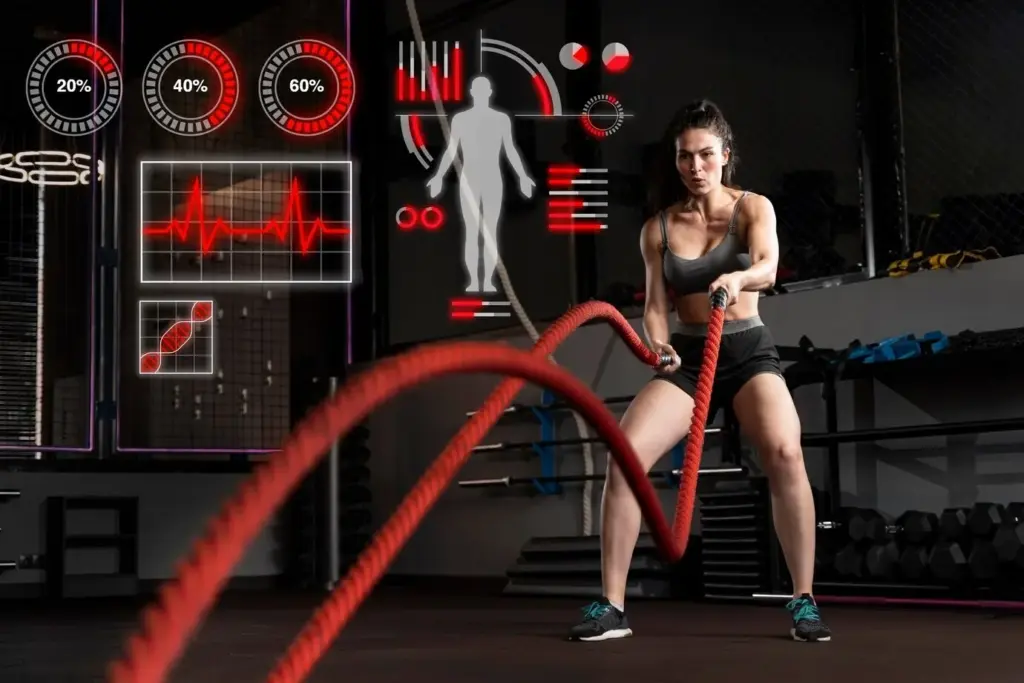
Every graceful action begins with a conversation between sensation and expectation. Your brain predicts how a movement should feel, then compares reality to that forecast, quietly adjusting the next attempt. This loop, repeated hundreds of times, sculpts control without drama. Think of the first time you learned to balance on a bike: wobbles, tiny course corrections, and eventually confidence. Share your story below about a skill that felt impossible until a few surprisingly small improvements suddenly connected into something smooth, stable, and reliable.
Designing Feedback That Actually Helps
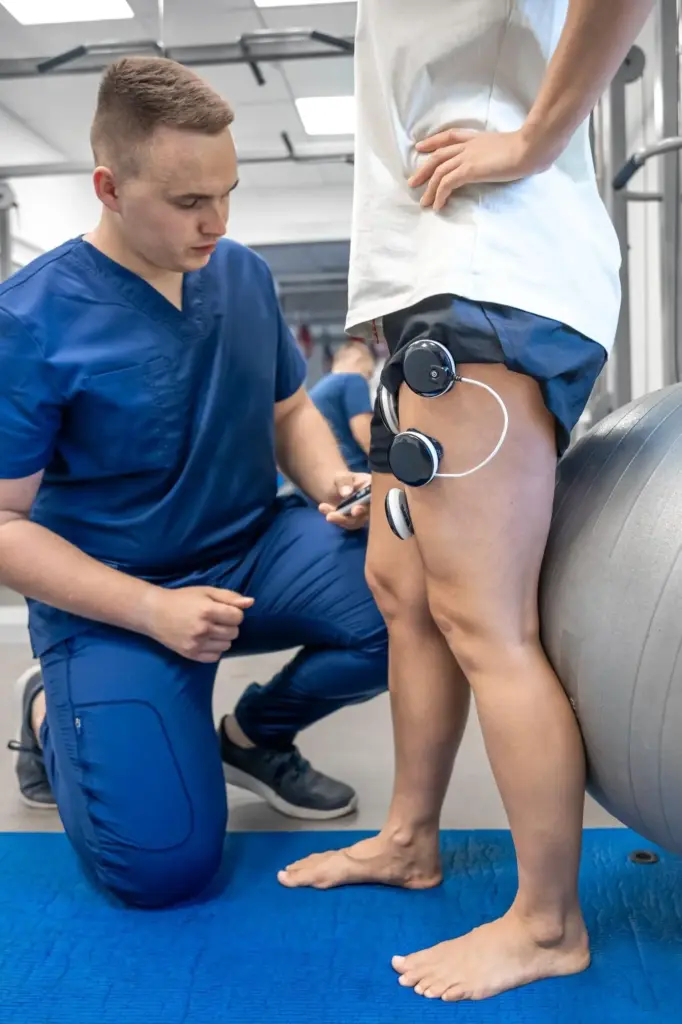
The right feedback turns practice into accelerated learning; the wrong feedback overwhelms attention or creates dependency. Intrinsic sensations, external cues, and outcome metrics must be balanced with timing that preserves ownership. We learn best when insight arrives at the moment motivation is high but attention is free. Consider pairing brief, specific cues with longer stretches of quiet exploration. Then ask yourself: what single cue, delivered less often, would guide you without babysitting your effort? Share a tactic that made corrections stick without cluttering your mind.
Dopamine as the Currency of Surprise
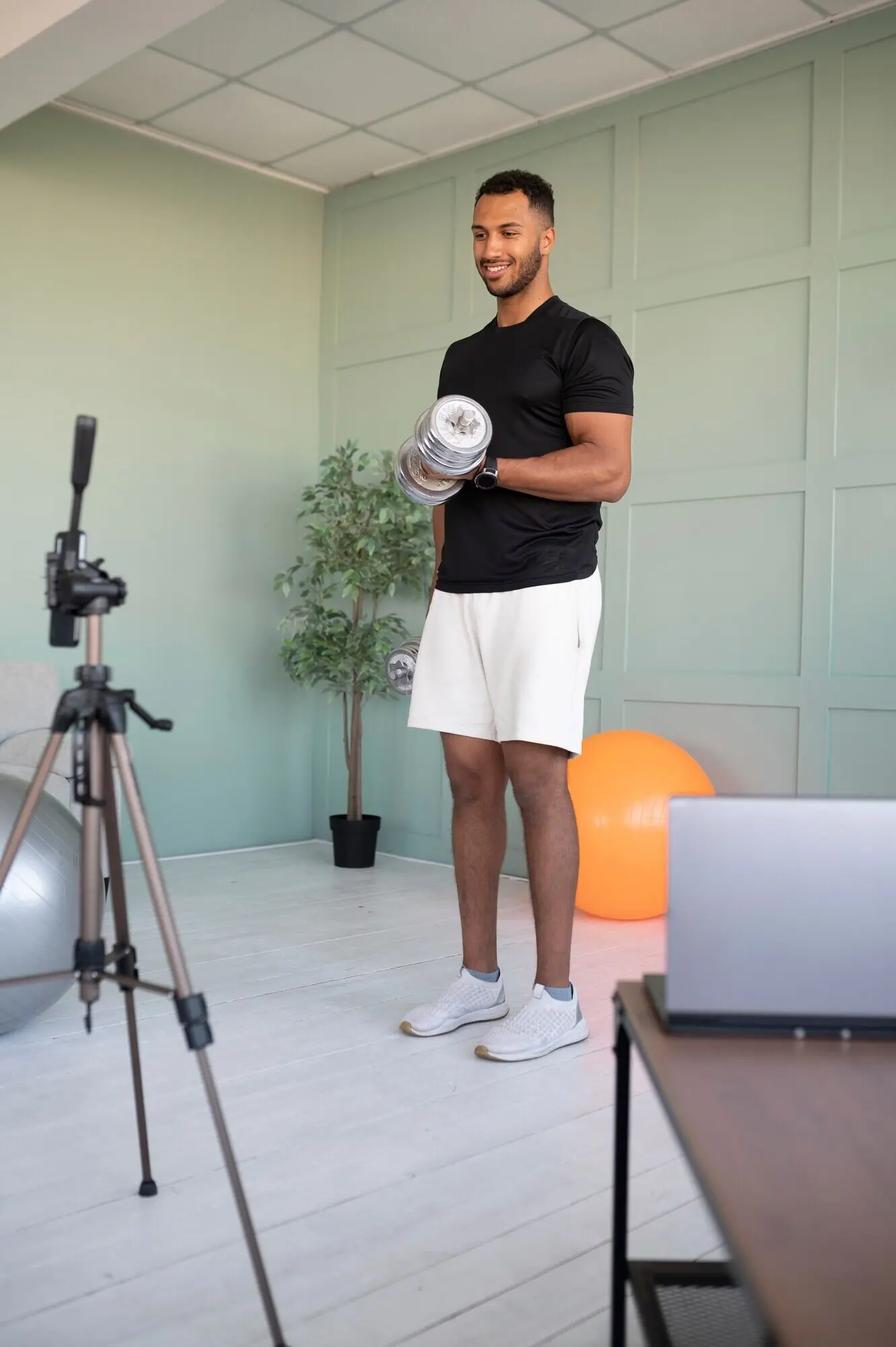
When a result is better than expected, dopamine spikes, tagging neural connections that contributed to success. This is why unexpected wins can accelerate learning disproportionately. Create environments where small, meaningful surprises are possible: hidden targets, variable distances, or playful constraints that invite curiosity. By engineering occasional delightful outcomes, you let your biology amplify what worked. Avoid over-rewarding every attempt; scarcity keeps signals clean. Consider a journal where you record surprising improvements, then revisit those entries before training to rekindle motivation and sharpen focus.

Cortical Maps That Redraw Themselves
Movement practice literally reshapes cortical maps, allocating more neural real estate to refined control where it is needed most. Slow, attentive repetitions create high-fidelity encoding, while rushed, distracted practice draws fuzzy boundaries. Pair deliberate pace with brief bouts of intensity to engrain precision without boredom. Sleep consolidates these changes; treat rest as training. Note one controllable variable—grip pressure, knee angle, breath timing—and track it like a scientist for a week. The consistency you build will often outlast temporary bursts of motivation or sheer willpower.
Practice That Sticks: Variability and Interference
Counterintuitively, easy practice can mislead, while varied, slightly uncomfortable practice builds resilience. Contextual interference makes sessions feel harder yet strengthens retention and transfer. Randomization, spacing, and subtle perturbations force the brain to solve fresh problems, forging durable representations. Rather than chasing perfect reps in stable conditions, invite controlled chaos. Rotate drills, change tempos, vary targets, and shift constraints. Then cool down with a short period of stability to consolidate confidence. Tell us how you have used variability without losing motivation when sessions felt messy or slow.
Motion Traces Tell the Story
Even a smartphone can capture trajectories and timing, exposing wobbles that felt invisible. Overlay traces from early and late in practice to watch corrections accumulate. Seek smoother curves, fewer abrupt corrections, and tighter clustering around the desired path. Small gains here often foreshadow bigger leaps later. Print or save snapshots weekly to appreciate progress your memory might discount on tough days. When you share your trace comparisons, include one detail you changed intentionally; that link helps others see how targeted adjustments shape the evolving pattern.
Muscle Voices Through EMG
Surface EMG can reveal overactive stabilizers or late-firing prime movers that hide behind decent performance. You might discover that success arrived despite inefficient recruitment. Use short EMG sessions to ask binary questions: earlier onset, reduced co-contraction, cleaner shutdown. Celebrate subtle improvements; energy saved is capacity gained elsewhere. If EMG is unavailable, feel for unnecessary tension in jaw, shoulders, or hands as a proxy. Note one cue that reliably softens excess effort. Often, releasing unneeded force unlocks precision you were chasing with more intensity.
Everyday Tech as a Lab
Wearables, slow-motion video, and simple pressure sensors turn daily practice into an approachable experiment. Decide on a single guiding metric for the week and ignore everything else to avoid data fatigue. Rotate metrics monthly to prevent tunnel vision. Invite a friend to review a clip and describe what they notice without coaching language; fresh eyes spot rhythms you miss. Post your most helpful low-cost tool, from a metronome app to painter’s tape on the floor. Resourcefulness beats expensive gear when curiosity leads the way.
From Lab to Life: Coaching and Rehabilitation
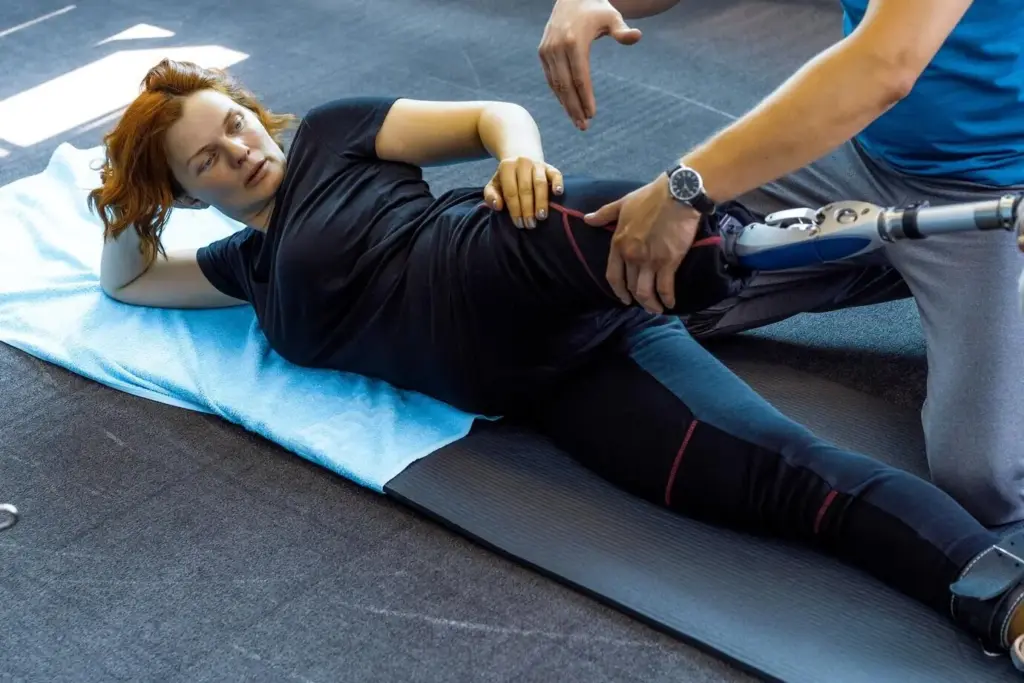
Principles that shape athletes also guide musicians, surgeons, and people reclaiming movement after injury. Effective guidance focuses attention, reduces dependence, and builds confidence through achievable challenges. In rehabilitation, adaptive devices and task-specific practice harness the same loops that refine elite performance. Whether you are coaching a team or rehabbing a shoulder, the goal is the same: empower the learner to own corrections. Share a coaching cue or rehab trick that transformed a stubborn plateau, and let others borrow your hard-earned insight during their next session.

All Rights Reserved.