
Move Smarter, Feel Stronger: Wearable Wisdom in Every Step
Feel Every Motion: Sensors That Teach the Body
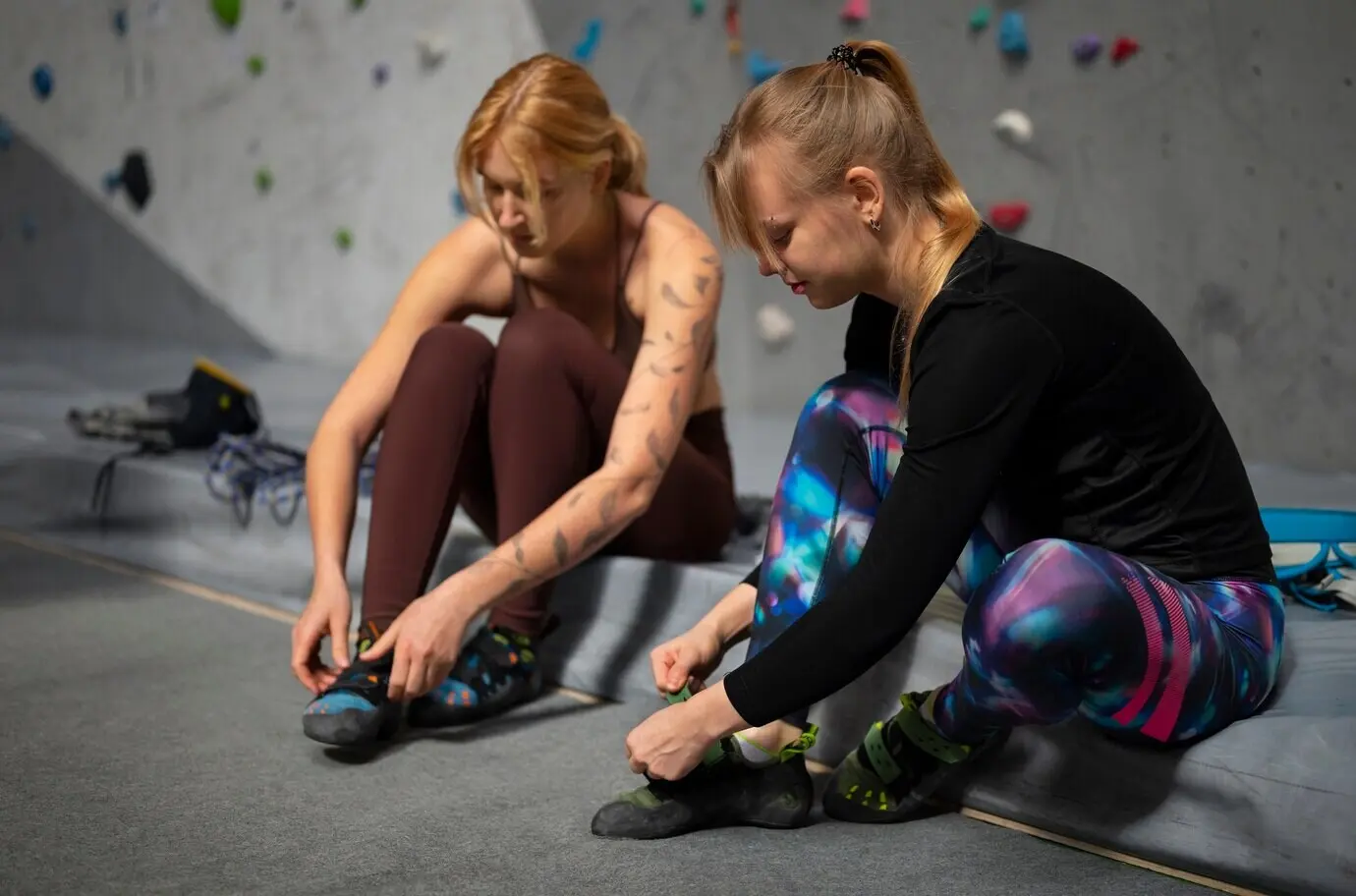
Find the Sweet Spot
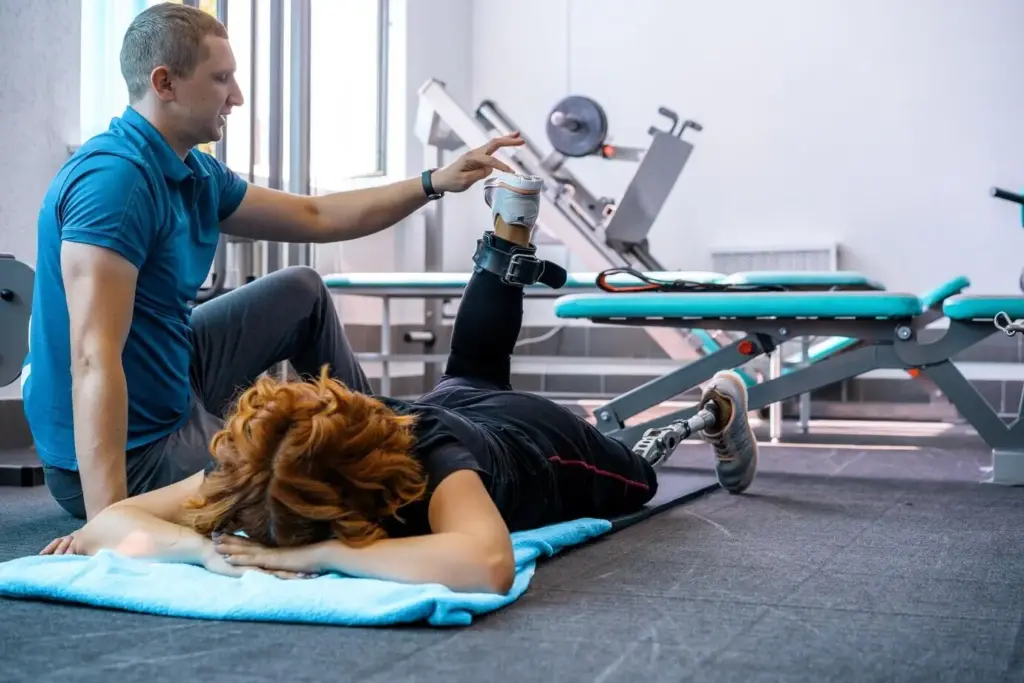
Calibrate with Curiosity
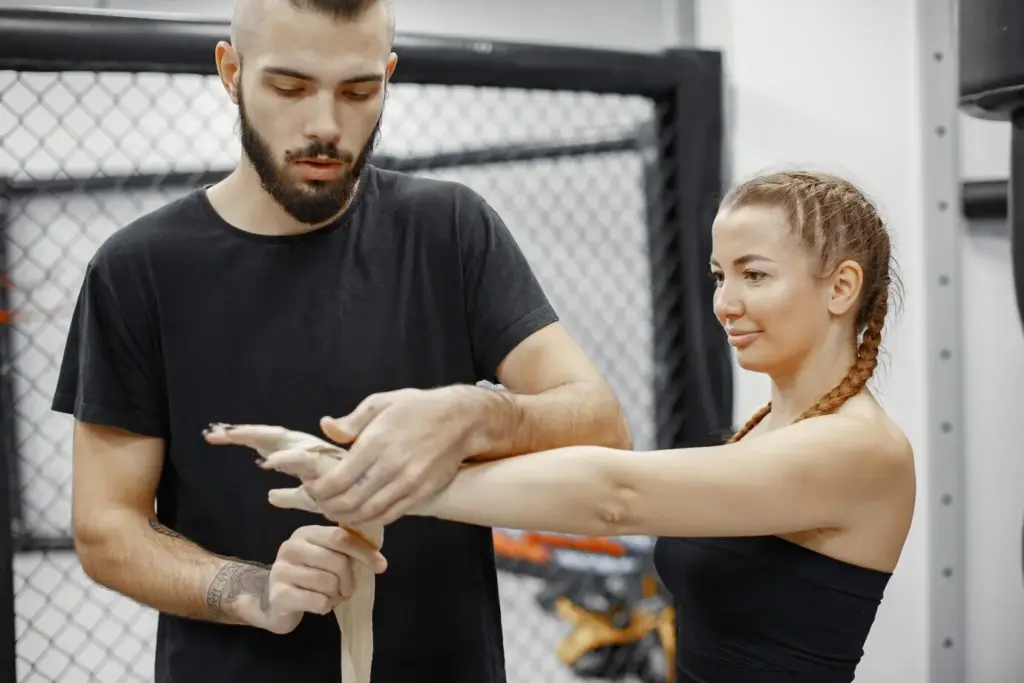
Create Your Baseline Ritual
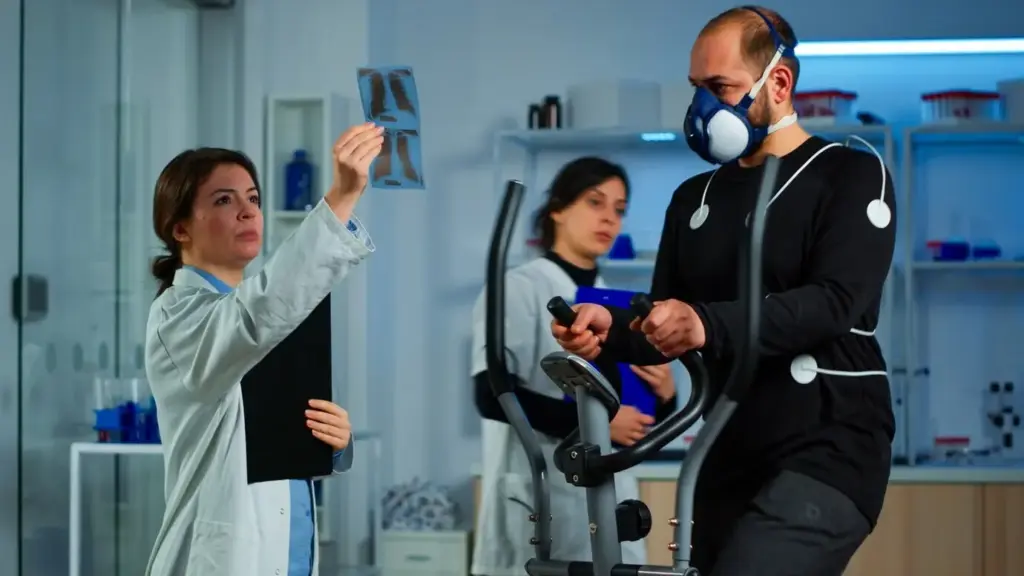
Turn Numbers into Technique
Regulate the System: Breath, HRV, and Focus
Breath as a Steering Wheel
Try a simple sequence: inhale through the nose four counts, exhale six to eight. Watch HRV stabilize and postural sway soften. Pair the breath with a single alignment cue, like heavy ribs and long back of neck. In sprints or lifts, switch to sharp preparatory breaths without losing composure. The wearable confirms your internal shift—less jitter, more control. Over time, breath-first adjustments become second nature, turning stressful moments into manageable challenges you can meet with skill.
Readiness Without Guesswork
Morning HRV and resting heart rate trends help decide whether to push, practice, or prioritize recovery. If the index dips, consider technique drills and mobility rather than intensity. Note sleep, caffeine, and mood to avoid misinterpretation. Pair objective data with honest self-checks: how do joints feel stepping out of bed, how steady is focus, how eager is your mind? This compassionate calibration reduces boom-bust cycles, preserves momentum, and launches you into sessions you can finish feeling proud.
Pre-Performance Routines That Stick
Create a reliable three-minute ramp: one grounding breath set, a posture refresh, and a micro-drill that mirrors your main movement. Use biofeedback to verify those steps elevate readiness without spiking stress. If numbers overshoot, remove a stimulus or slow exhale. When repeated consistently, this routine becomes a protective habit, narrowing variability on important days. Share your favorite sequence with our community so others can refine theirs, and together we can build rituals that travel from training to life.
Resilience and Risk: Early Signals, Wiser Loads
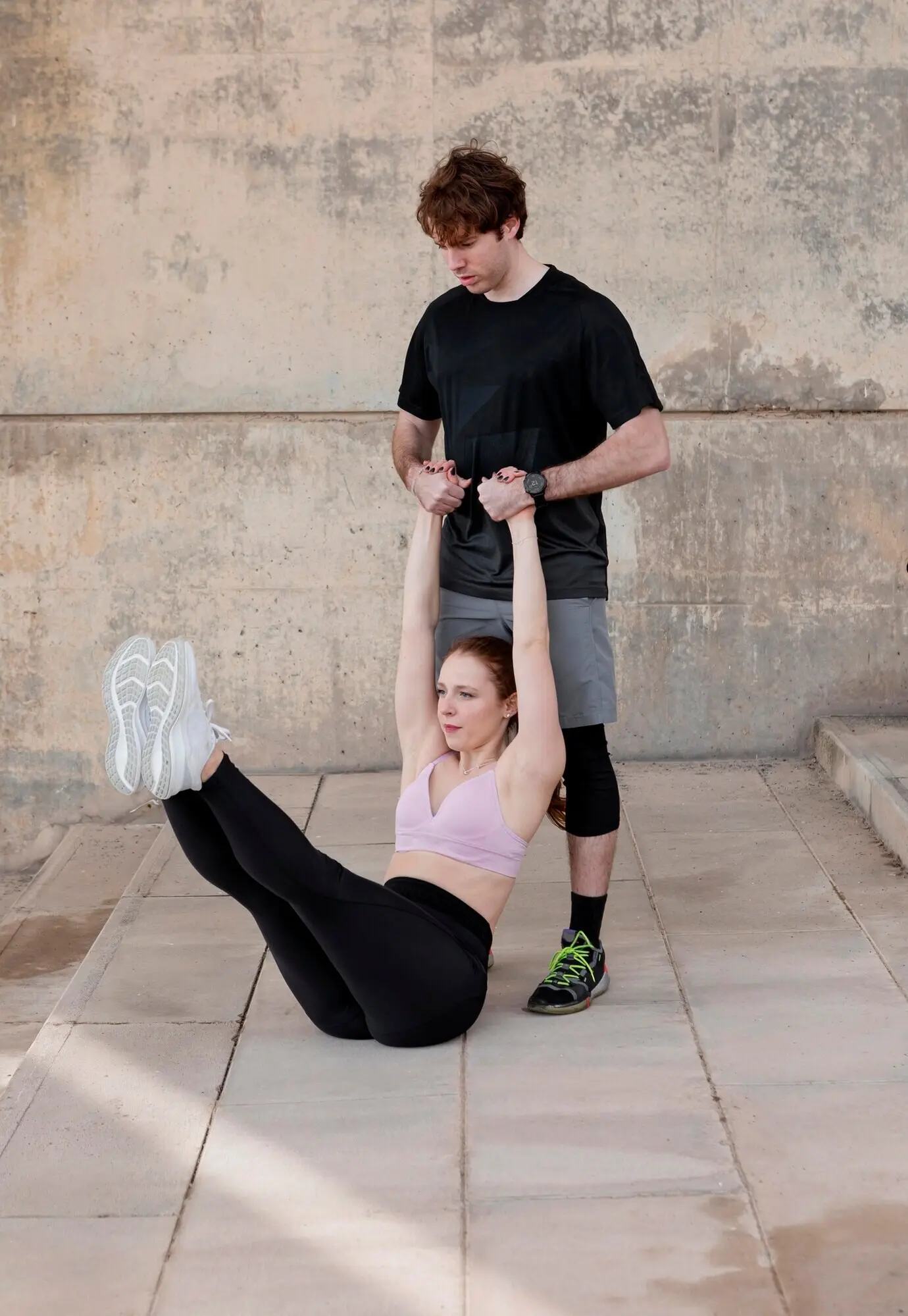
A Runner Finds Quiet Ground Contact
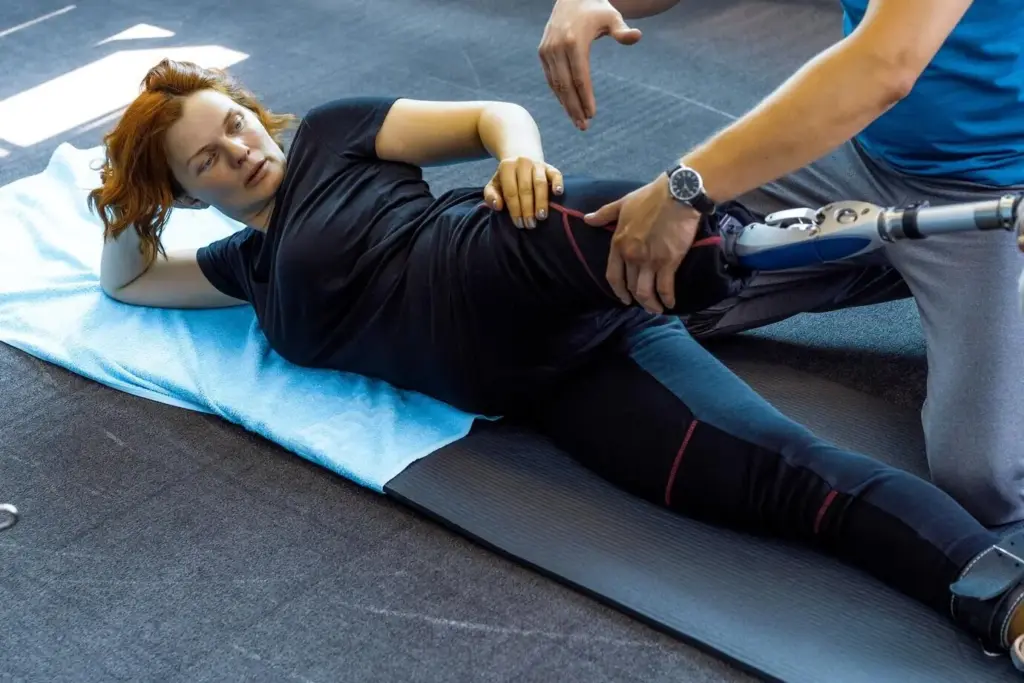
A Musician Breathes Space Into Posture
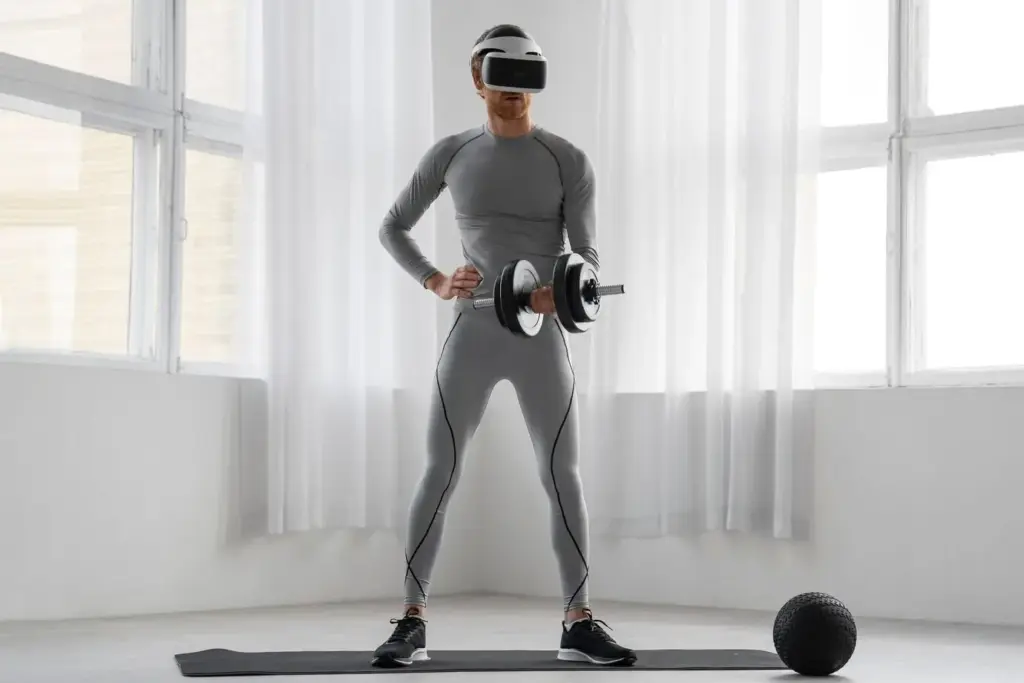
Your Turn: Share, Subscribe, Experiment
All Rights Reserved.