Stronger Bodies, Smarter Recoveries

Today we explore rehabilitation strategies that fuse motor control theory with cognitive resilience, turning complex neuroscience into practical steps. You will see how predictive control, feedback, variability, and focused attention combine with reframing, stress tolerance, and confidence building to accelerate safe progress. Expect actionable routines, clear examples, and supportive prompts inviting you to reflect, experiment thoughtfully, measure change, and share your experiences so our community grows wiser and more compassionate together.

Internal Models and Error-Based Learning

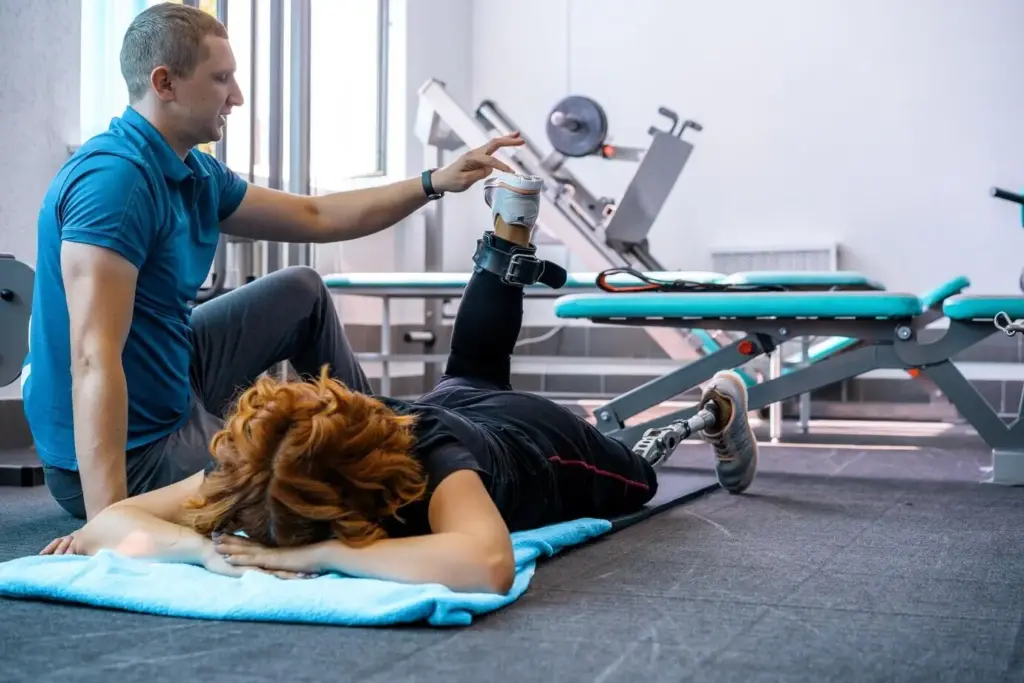
The nervous system predicts consequences of action, then updates those predictions by comparing expected and actual outcomes. We harness this by shaping errors, providing timely feedback, and spacing practice to consolidate learning. Small, well-chosen challenges drive useful corrections without overwhelming confidence. Fading guidance and encouraging brief reflection after each attempt help the brain recalibrate efficiently, improving precision, adaptability, and carryover into real-life activities that matter.

Cognitive Resilience as Protective Capacity
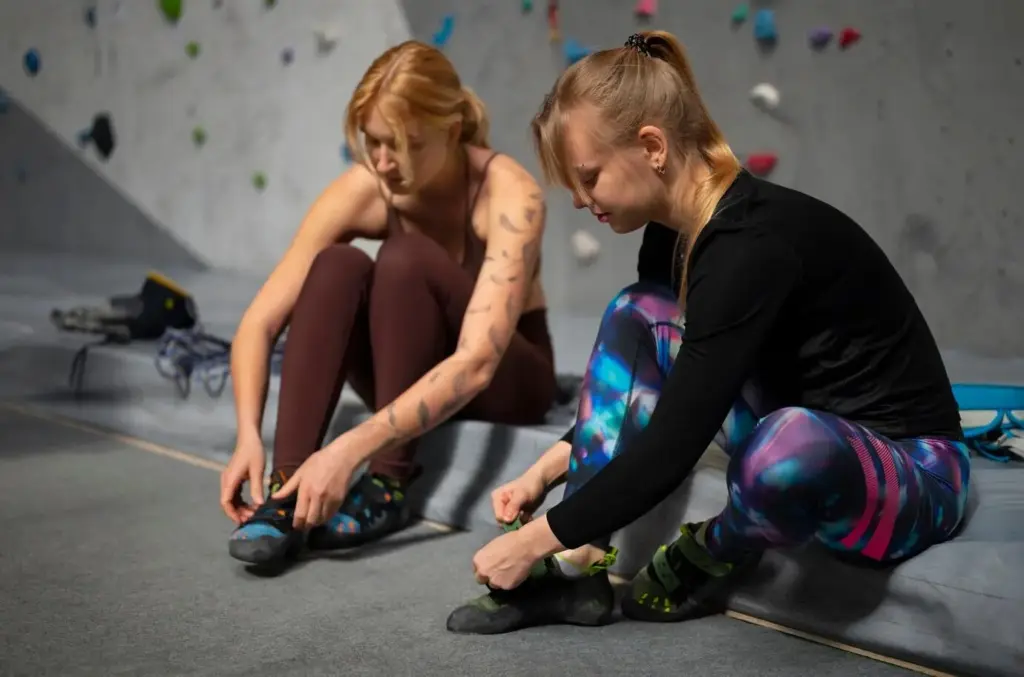
Resilience helps people keep going when fatigue, pain, or frustration appear. We cultivate it by reframing difficult sessions as information, not failure, pairing manageable risks with recovery strategies. Mindful attention, values-based goals, and compassionate self-talk transform stress from a threat into a challenge. Over time, these skills increase emotional steadiness, allowing learners to engage with demanding motor tasks longer, extract more signal from feedback, and celebrate meaningful micro-wins.

Integrated Assessment Playbook

A clear starting point blends objective motion data with cognitive load tolerance, self-efficacy, and values. We map kinematics, timing, and coordination while screening mood, sleep, fatigue, and attention. Dual-task probes reveal how thinking demands shift gait, balance, or reach. This integrated picture guides dosing, safety thresholds, and priorities. By anchoring goals to outcomes that matter at home or work, we align testing with meaningful change that motivates adherence.

Variable Practice and Contextual Interference

We mix tasks, surfaces, speeds, and contexts to deepen learning. Early on, blocked practice may reduce anxiety; later, random practice fosters adaptability and robust planning. Errors become informative, not threatening, when framed as stepping stones. Brief, specific feedback paired with reflective questions helps the nervous system generalize solutions. Over time, people move confidently across environments, maintaining quality under distraction, which dramatically improves safety and self-trust in everyday life.

Gradual Exposure, Pacing, and Autonomy

Graded exposure reduces fear and builds tolerance. We define green, yellow, and red signals, then titrate intensity within agreed boundaries. Pacing strategies protect energy and attention for the moments that matter most. Offering choices about exercise order, rest timing, and preferred tools boosts ownership. Autonomy turns compliance into collaboration, strengthening motivation to repeat challenging tasks. With shared decisions, progress accelerates while dignity and safety remain at the center.

Motor Imagery, Action Observation, and Self-Talk

When physical volume is limited, mental practice keeps learning alive. Vivid imagery rehearses trajectories and timing; observing skilled movement primes neural circuits; supportive self-talk calms noise and sharpens focus. Short visualization bursts before attempts improve precision, especially when paired with concise cues. This blend protects energy while consolidating patterns. Over weeks, the combination strengthens confidence, reduces anticipatory tension, and builds a reliable bridge from intention to execution.

Technology With a Human Heart
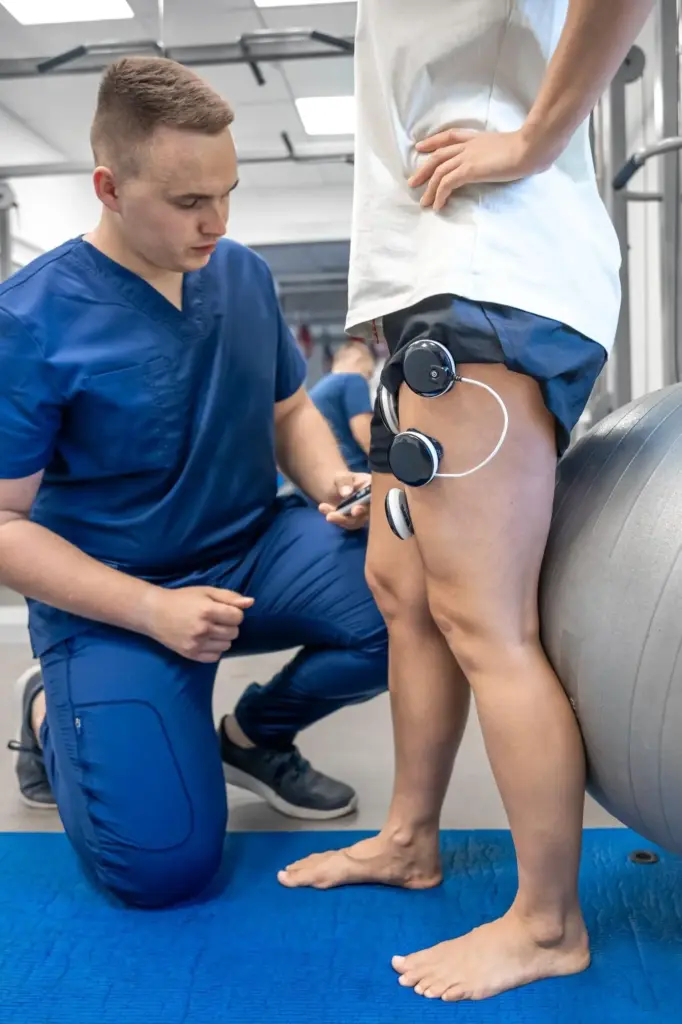
Tools amplify progress when they respect attention, privacy, and meaning. Wearables, biofeedback, and immersive environments can provide timely signals while preserving autonomy. The goal is personalization, not surveillance. We choose metrics that inform decisions and celebrate function, avoiding data overload. Simple dashboards and brief check-ins keep practice aligned with life rhythms. Technology becomes a compassionate partner, highlighting trends, preventing overexertion, and nudging steady gains without stealing joy.

Stories From the Clinic

Real lives ground the science. These composite cases reveal how integrating motor control principles with resilience skills changes trajectories. Details are anonymized, but the lessons are universal: start where capacity meets meaning, dose thoughtfully, and keep hearts protected. As you read, consider what resonates with your practice or journey, then share reflections or questions so we can learn together and refine these approaches community-wide.

Stroke: Reclaiming Reach and Routine

Maya, sixty-two, feared dropping mugs. We used error augmentation with soft cups, external focus cues, and short imagery bursts before reaching. Dual-task drills with word lists initially wobbled her timing, but pacing and compassionate debriefs stabilized progress. Within eight weeks, mug transfers and shelf placements felt steadier. Her confidence rose first, then precision followed. She now hosts tea again, practicing daily with playful variety and a calmer mind.

Parkinson’s: Gait Rhythm Meets Mindful Focus
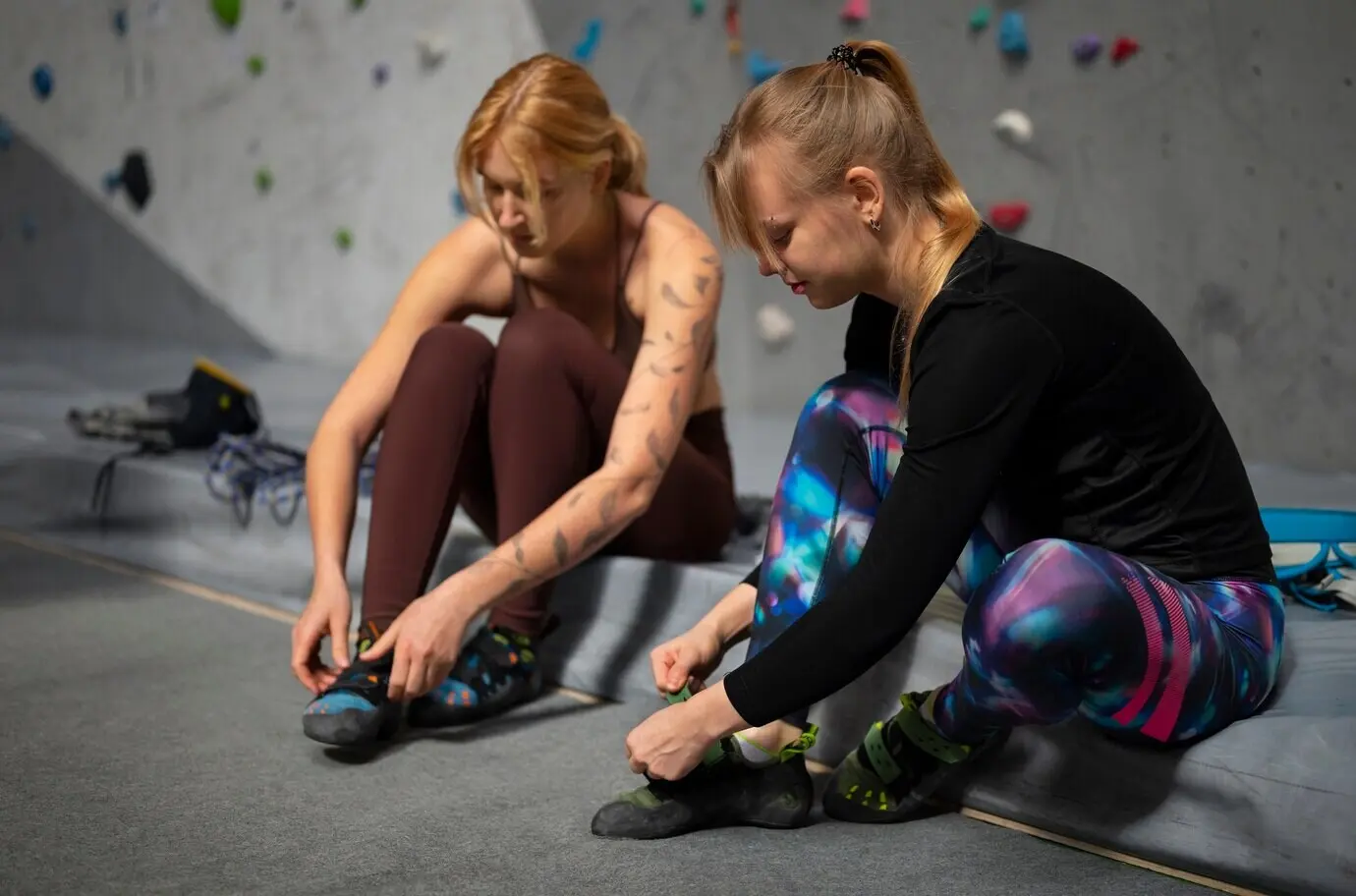
Leon, seventy-one, struggled in crowded markets. We paired metronome cues and step targets with attention anchors like scanning for colors. Light dual-tasking exposed freezing triggers, so we trained rhythmic shifts under safe challenge. Wearable feedback showed symmetry gains; journaling captured calmer outings. Over three months, he reclaimed morning walks and brief shopping trips. The blend of rhythm, external focus, and self-talk turned apprehension into measured, repeatable confidence.

Rituals, Habits, and Cue-Rich Environments
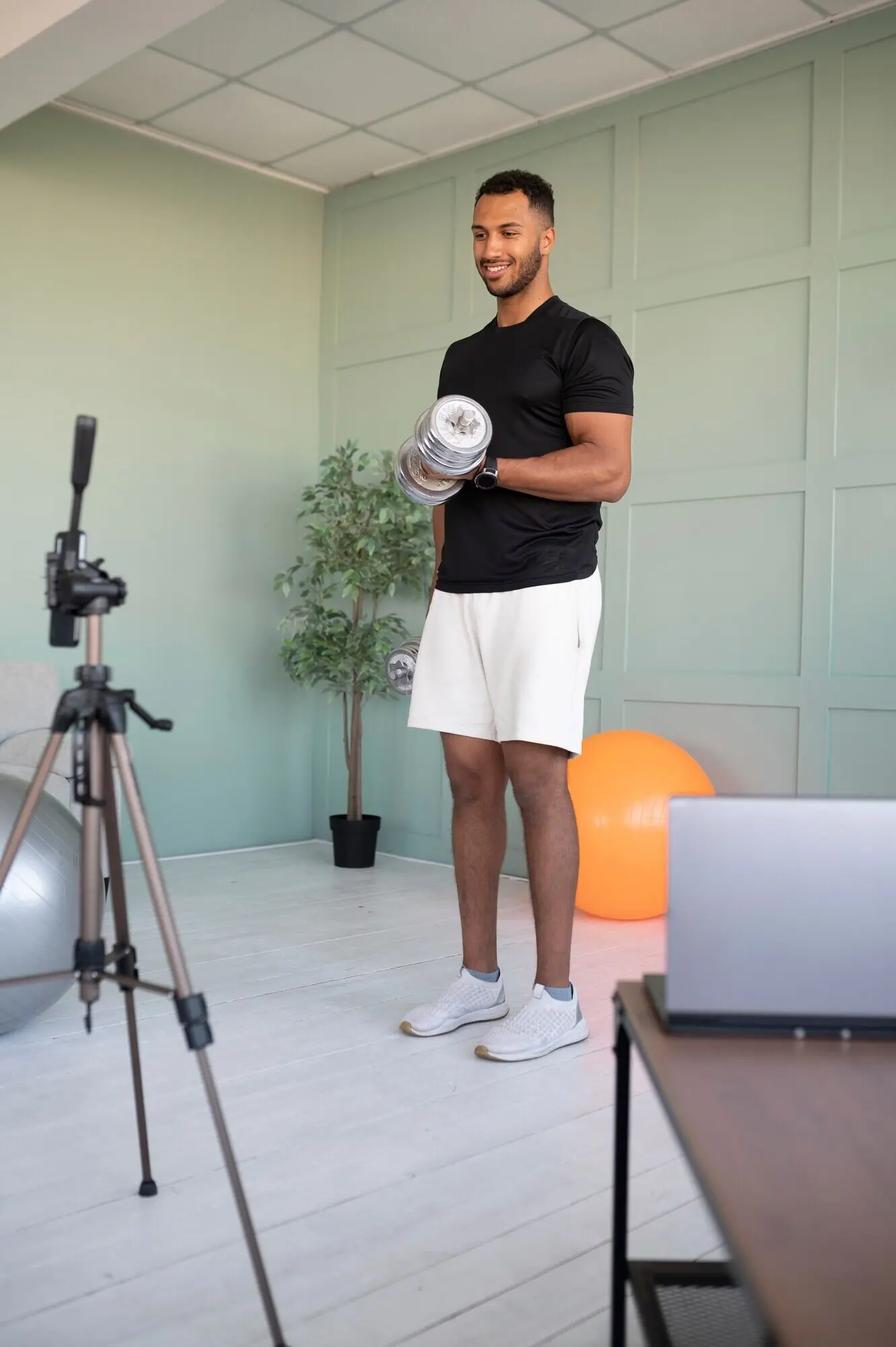
We stack exercises onto anchors like morning coffee or evening walks. Visual cues, phone reminders, and prepared stations reduce friction. Short, satisfying reps distribute effort across the day, protecting focus. Weekly reflection highlights reliable moments and removes unnecessary hurdles. When home spaces gently prompt action, practice becomes part of life rather than a separate chore, sustaining progress through ordinary days that still include joy, rest, and connection.

Caregivers as Coaches, Not Controllers

Loved ones can support without overstepping by offering choices, reflective listening, and encouragement anchored in observed progress. We share calm prompts, clear safety margins, and break strategies that prevent escalation. Joint calendars protect energy for valued activities. Brief check-ins celebrate wins and adjust plans. When care feels collaborative and dignifying, confidence grows on all sides, transforming difficult moments into opportunities to practice skills and strengthen relationships.
Lotazofutovanave
Privacy Overview

This website uses cookies so that we can provide you with the best user experience possible. Cookie information is stored in your browser and performs functions such as recognising you when you return to our website and helping our team to understand which sections of the website you find most interesting and useful.