Move Smarter, Feel Stronger: Wearable Wisdom in Every Step

Welcome to a focused exploration of Mindful Movement with Wearable Biofeedback: Translating Mechanics into Better Performance. We will connect body awareness with sensor insights, turning data into practical cues you can feel immediately. Expect relatable stories, evidence-informed guidance, and clear experiments you can try today. Share your experience in the comments, ask questions, and subscribe for fresh protocols that help turn motion into mastery without losing the joy of curious, compassionate practice.

Feel Every Motion: Sensors That Teach the Body
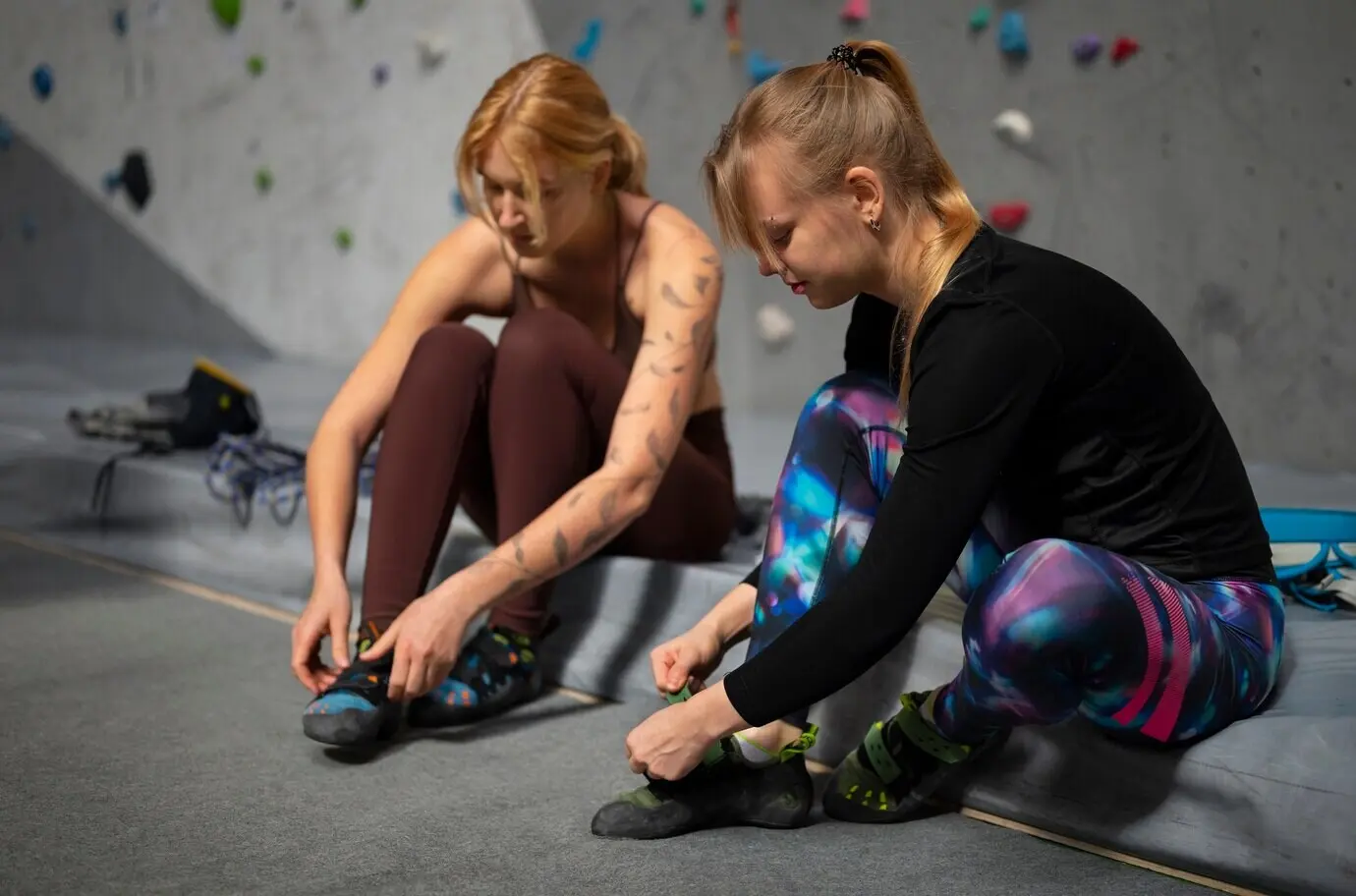
Your body already collects rich signals—tension in the shoulders, the whisper of footfall, breath drifting shallow or deep. Wearable biofeedback transforms these sensations into helpful clarity. Whether accelerometers track sway, EMG records muscle timing, or heart variability reflects recovery, each metric becomes a gentle teacher. Together, we will experiment with cues that invite awareness, not anxiety, and build a practice where numbers guide attention, attention refines technique, and technique strengthens confidence, session by session.

Find the Sweet Spot

A misaligned sensor creates misleading stories. For gait, tibial placement captures impact; for posture, sternum or lumbar positions reveal sway; for muscle timing, EMG pads need clean skin and clear landmarks. Test a short drill, then verify readings match your felt experience. If cues contradict your body, reassess placement first. Aim for reliability over perfection. When setup becomes a quick ritual—clean, place, check—you protect the integrity of your feedback and your trust in the process.

Calibrate with Curiosity

Calibration is not a single button; it is a short conversation with your device and your body. Stand tall, breathe naturally, then perform a few representative movements at easy, moderate, and purposeful intensities. Save notes describing how each set felt. When later sessions show deviation, you will know whether it signals true change or context shifts like fatigue, stress, or poor sleep. Curiosity prevents panic, allowing wiser decisions and safer progress despite the day’s unpredictability.

Create Your Baseline Ritual

A consistent baseline is your anchor. Choose a five-minute routine—breathing scan, posture check, a short walk, a simple squat set—that you can repeat weekly. Tag the session with sleep quality, mood, and soreness levels. Over time, you will notice how minor lifestyle shifts ripple through mechanics. Celebrate subtle wins: smoother ground contact, quieter hips, steadier heart rhythm. This ritual turns improvement from a hope into a felt pattern, reinforcing commitment without relying on dramatic, unsustainable peaks.

Turn Numbers into Technique

Metrics matter only when they change movement. The magic lies in translating cadence, contact time, joint angles, or breathing rhythms into precise interventions. Choose one primary metric per session and pair it with a single coaching cue. Then observe what changes across thirty to ninety seconds, not instantaneously. If the cue improves your target without creating new tension, keep it. If not, pivot. This playful, test-and-learn approach keeps training alive, effective, and genuinely mindful rather than mechanical.

Regulate the System: Breath, HRV, and Focus

Your nervous system sets the stage for every rep. Heart rate variability offers a window into readiness, while mindful breathing directs state. Use short downshifts to recover and brief upshifts to prepare. Test box breathing before technique sessions and longer exhales after heavy work. Match sensory feedback with what you feel inside: calmer facial muscles, warmer hands, steadier gaze. The reward is not only better metrics, but a resilient mindset that adapts gracefully to changing demands.

Breath as a Steering Wheel

Try a simple sequence: inhale through the nose four counts, exhale six to eight. Watch HRV stabilize and postural sway soften. Pair the breath with a single alignment cue, like heavy ribs and long back of neck. In sprints or lifts, switch to sharp preparatory breaths without losing composure. The wearable confirms your internal shift—less jitter, more control. Over time, breath-first adjustments become second nature, turning stressful moments into manageable challenges you can meet with skill.

Readiness Without Guesswork

Morning HRV and resting heart rate trends help decide whether to push, practice, or prioritize recovery. If the index dips, consider technique drills and mobility rather than intensity. Note sleep, caffeine, and mood to avoid misinterpretation. Pair objective data with honest self-checks: how do joints feel stepping out of bed, how steady is focus, how eager is your mind? This compassionate calibration reduces boom-bust cycles, preserves momentum, and launches you into sessions you can finish feeling proud.

Pre-Performance Routines That Stick

Create a reliable three-minute ramp: one grounding breath set, a posture refresh, and a micro-drill that mirrors your main movement. Use biofeedback to verify those steps elevate readiness without spiking stress. If numbers overshoot, remove a stimulus or slow exhale. When repeated consistently, this routine becomes a protective habit, narrowing variability on important days. Share your favorite sequence with our community so others can refine theirs, and together we can build rituals that travel from training to life.

Resilience and Risk: Early Signals, Wiser Loads
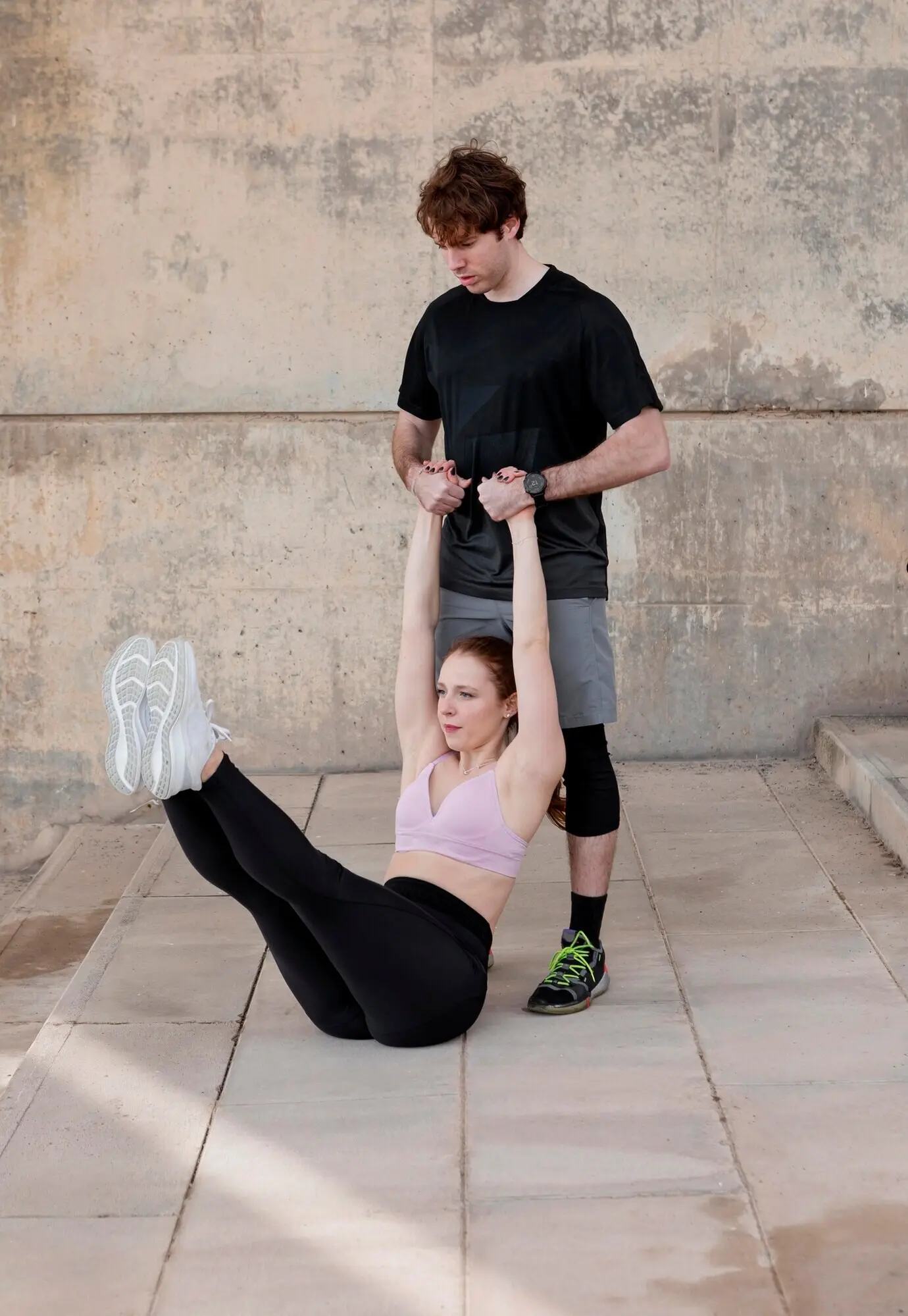
Soreness happens; injury is optional when you listen early. Wearables surface leading indicators: rising asymmetry, growing ground contact time, or chaotic variability under familiar loads. Rather than fear these patterns, treat them as helpful nudges. Scale today’s plan, shift emphasis toward technique, and reinforce positions that felt strong last week. Combine data with compassionate judgment. Progress is not linear, but it is traceable, and every thoughtful adjustment compounds into resilience you can trust when intensity returns.

A Runner Finds Quiet Ground Contact

Marin, training for her first half marathon, kept battling knee grumbles at mile five. Tibial acceleration showed impact spikes on downhills. With a three-percent cadence bump, softer jaw, and light forward lean, spikes fell and breath eased. Her journal captured the shift: less bracing, more glide. She shared clips, received gentle feedback, and felt seen. Months later, she finished smiling, crediting simple cues and consistent practice. Her metrics improved, but most importantly, so did her trust in her body.

A Musician Breathes Space Into Posture
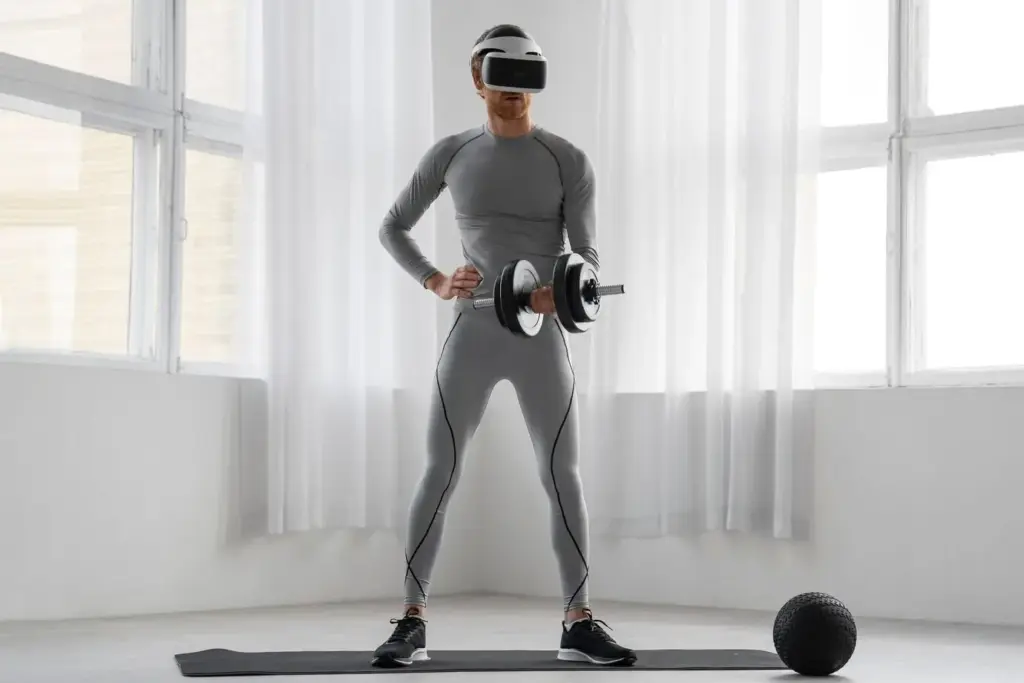
Jonas, a touring cellist, wore a small posture sensor. It revealed sternum collapse during long sets, worsening wrist tension. Instead of rigid bracing, he practiced rib softness and crown length during rests, guided by breathing feedback. Sway settled, bow control smoothed, and evening soreness faded. The device became a reminder, not a critic. He now teaches students a sixty-second prelude—breath, length, smile—that restores expression. Share your mini-routines below so traveling artists can borrow what helps.

Your Turn: Share, Subscribe, Experiment
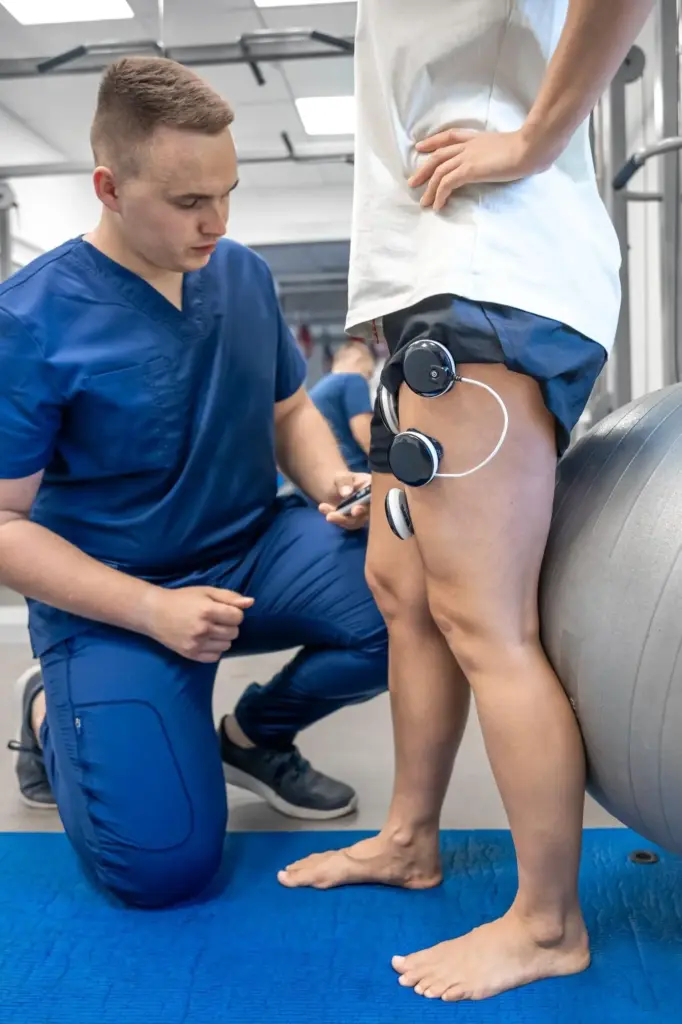
This space thrives on your voice. Post a short note describing one movement you want to refine and the single metric you will watch this week. We will suggest a cue to test and cheer your results. Subscribe for new drills, case studies, and honest reflections from practitioners who blend curiosity with science. Together we can turn feedback into freedom, numbers into nuance, and practice into a reliable source of energy for training, work, and everyday life.
Lotazofutovanave
Privacy Overview

This website uses cookies so that we can provide you with the best user experience possible. Cookie information is stored in your browser and performs functions such as recognising you when you return to our website and helping our team to understand which sections of the website you find most interesting and useful.